
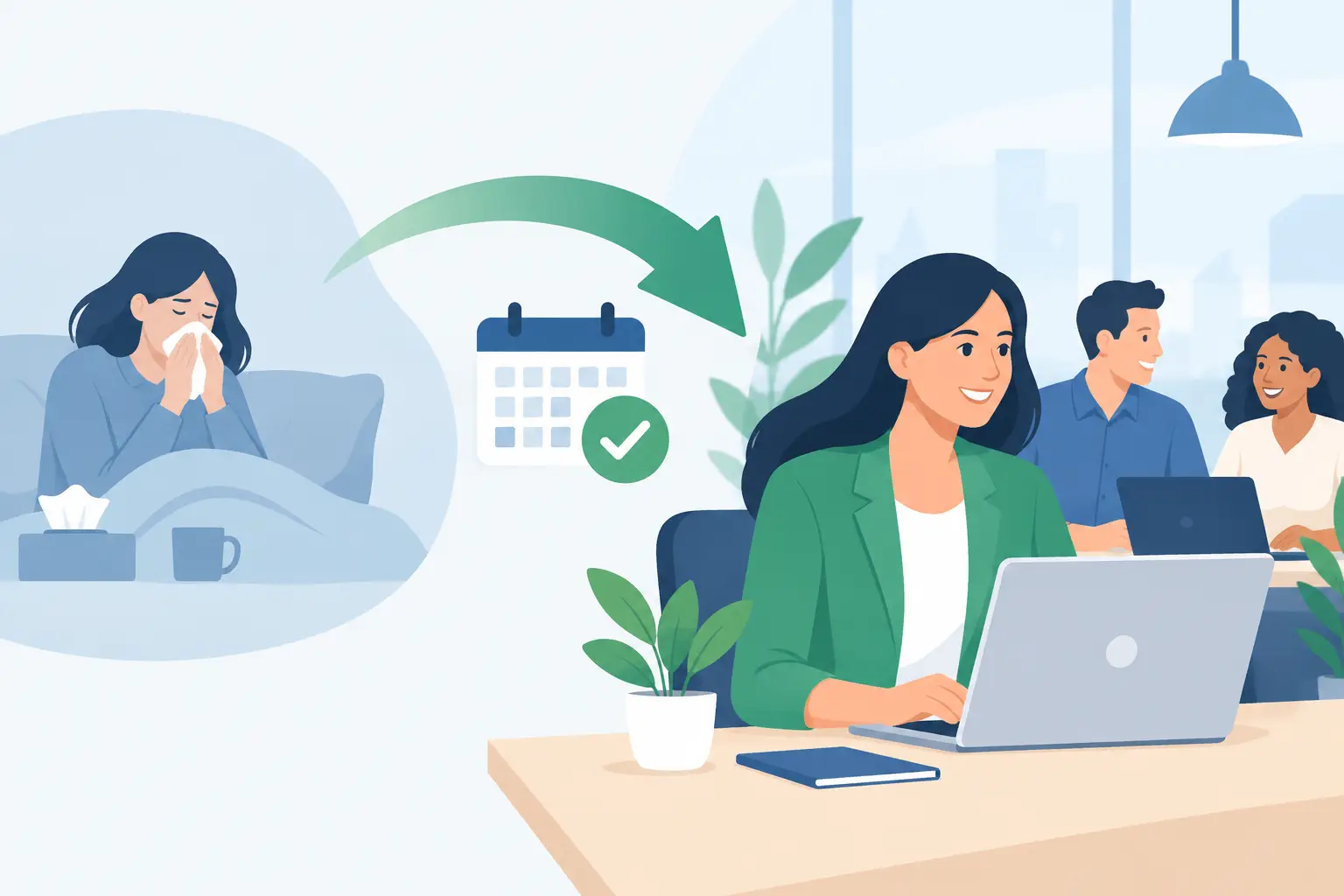
A rise in short-term absence rarely starts with a calendar entry. It often begins earlier, with overloaded diaries, poor sleep, persistent neck and back discomfort, low morale, or employees who keep working through stress until they cannot. Effective employee absenteeism reduction means addressing these pressures before they become a pattern of absence, rather than simply managing the consequences.
For HR leaders, office managers and operations teams, this is both a people issue and a business issue. Unplanned absence affects workload distribution, deadlines, customer service and team morale. It can also leave managers caught between supporting individuals properly and maintaining day-to-day performance. The right approach is practical, consistent and built around the real causes of absence in your workplace.
Why employee absenteeism reduction needs a preventative approach
Absence is not always preventable. Employees will need time away for illness, caring responsibilities, appointments and unexpected life events. A responsible employer should not attempt to eliminate absence or make people feel pressured to work when they are unwell.
The opportunity lies in reducing avoidable, recurring absence linked to workplace stress, fatigue, musculoskeletal discomfort and disengagement. Desk-based teams are particularly vulnerable to long periods of sitting, screen strain, repetitive movement and demanding workloads. When those factors go unaddressed, minor discomfort can affect concentration and energy long before it results in a sick day.
A preventative wellbeing programme gives employees accessible support while signalling that their health is taken seriously. This matters because people are more likely to raise concerns early when wellbeing is visible, normalised and easy to access. It also gives employers a constructive alternative to reactive interventions that arrive only after stress levels have escalated.
Identify the patterns behind absence
Before choosing a wellbeing initiative, look beyond your overall absence percentage. The headline figure is useful, but it will not tell you where action is most needed. Review patterns by department, location, season, length of absence and stated reason where this can be done appropriately and confidentially.
For example, a rise in one-day absences after periods of high workload may point to stress or burnout. Frequent reports of headaches, shoulder tension or back pain may indicate that workstation setup, sedentary working habits or screen time need attention. A higher absence rate among newer employees could suggest an onboarding, workload or management-support issue.
Numbers need context. Speak with managers, listen to employee feedback and use engagement surveys to understand how work feels on the ground. Avoid assumptions about individuals or treating wellbeing data as a performance-management tool. The aim is to identify workplace conditions that can be improved, not to scrutinise employees who are absent.
Make support easy to use during the working day
A wellbeing benefit only helps if people can realistically use it. Employees with busy schedules may not take advantage of services that require travel, lengthy appointments or personal expense. Bringing qualified practitioners into the workplace removes much of that friction.
Onsite chair massage is particularly suited to office environments because it can be delivered in short sessions without employees needing to change clothes or leave the building for long. It can help employees take a genuine pause from screens and repetitive desk postures, while providing relief from common areas of tension such as the neck, shoulders and upper back.
Other services can support different needs. Reflexology and hand massage offer a calm, accessible break for teams working under pressure. Assisted stretching can be valuable for employees experiencing stiffness from prolonged sitting. Spinal analysis and nutrition consultations can add an educational element, helping employees understand practical changes that support their wellbeing beyond the session itself.
The value is not simply the treatment. It is the protected moment to stop, reset and return to work feeling looked after. For many employees, that experience can improve morale as well as comfort, particularly during intense projects, organisational change or peak seasonal workloads.
Combine wellbeing with the basics that prevent strain
Wellness services are most effective when they complement sound workplace practices. Chair massage will not correct an unsuitable workstation, and a wellbeing day cannot solve an unsustainable workload. Employers should treat onsite therapies as part of a wider employee experience plan, not as a substitute for good management.
Start with the essentials: appropriate workstation assessments, regular screen breaks, clear workload planning and managers who can recognise early signs of stress. Flexible working arrangements may also help, depending on the role and business requirements. For some organisations, the priority will be improving office ergonomics. For others, it may be restoring connection in hybrid teams that are showing signs of isolation or low engagement.
There is no single programme that fits every workplace. A fast-growing business may benefit from regular short wellbeing sessions that keep pace with high workloads. A larger employer may choose wellness days across multiple sites, supported by a recurring programme for teams with the greatest need. The important point is to match the service to the working environment and the pressures employees actually face.
Build a programme employees will trust
Participation depends on trust. Employees should understand what is being offered, why it is available and that taking part is voluntary. Present onsite wellbeing as practical support, not a reward reserved for high performers or a response to poor attendance.
Communication should be clear and respectful. Explain session length, how bookings work, what employees can expect and whether they need to prepare anything. Make sure appointments can be accessed fairly across shifts, departments and working patterns. If demand is high, a simple booking system and regular return visits can prevent the experience from feeling exclusive.
Quality matters too. Employees are more likely to engage when services are delivered by fully qualified, insured practitioners who understand professional workplace conduct. A reliable provider should make the process straightforward for the organiser, from planning room requirements and schedules to delivering a polished experience on the day.
Therapy Bookings supports employers across London and the UK with flexible onsite wellbeing programmes, helping teams introduce services without adding unnecessary administration to already busy roles.
Measure employee absenteeism reduction in the right way
A direct link between one wellbeing activity and fewer absences is not always immediate or easy to prove. Absence is influenced by many factors, including seasonal illness, personal circumstances, workload and organisational change. That does not mean measurement should be overlooked. It means employers should use a balanced view of results.
Track absence trends over time, rather than expecting a dramatic change after a single event. Alongside absence data, look at participation rates, repeat bookings, employee feedback, engagement scores and manager observations. Questions such as “Did this help you feel more relaxed?” or “Would you use this service again?” can provide useful insight when gathered consistently.
It is also worth considering the wider business return. If employees report improved morale, feel more valued and take regular restorative breaks, that can support retention and engagement even where absence figures remain steady. Conversely, low participation may not mean employees do not care about wellbeing. It may mean the timing, format or communication needs adjusting.
A practical way to get started
Begin with a defined objective rather than a generic wellness event. You might want to support a team during a demanding period, reduce reported discomfort among desk-based staff, improve morale after a major change or strengthen your employee benefits offer.
Then select a format that suits your workforce. A one-off wellbeing day can introduce the service and generate feedback. Regular chair massage sessions can provide more consistent support for teams dealing with ongoing pressure. A mixed programme of massage, stretching and consultations may suit organisations looking for broader engagement across varied employee preferences.
Set a baseline before launch, communicate the programme clearly and review the results after an agreed period. Keep what employees value, improve what they do not use and avoid treating wellbeing as a one-off gesture. Consistency is what turns a pleasant experience into credible support.
The most useful next step is often a simple one: ask where pressure is showing up in your organisation, then make it easier for employees to respond before it becomes absence.