by | Jun 27, 2026 | Uncategorized
If you are looking into how to book office massage, chances are you are not browsing for a novelty perk. You are trying to solve a real workplace issue – stress, low energy, desk-based aches, poor morale, or the sense that your team needs support that is...
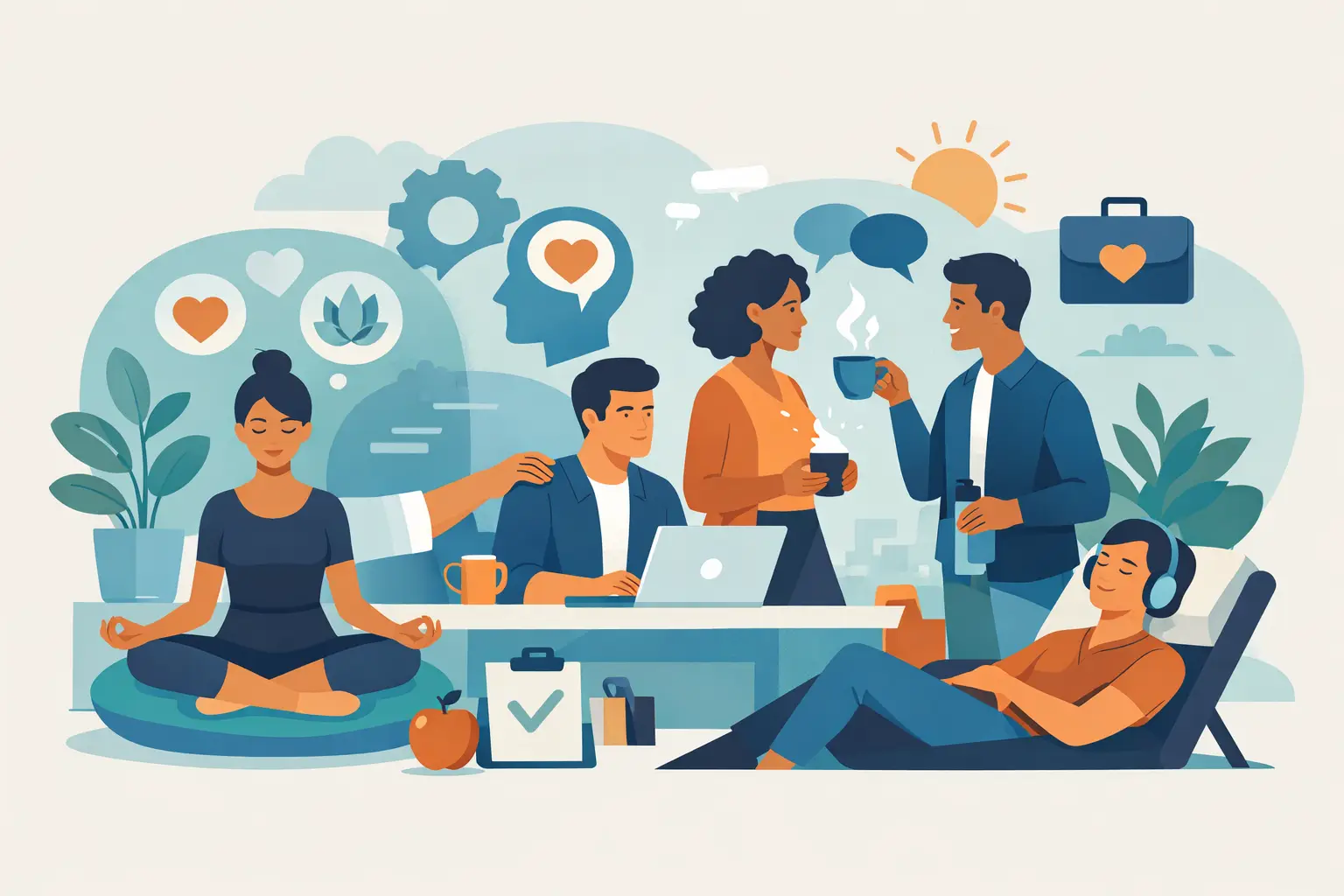
by | Jun 25, 2026 | Uncategorized
If your team is showing up tired, distracted or quietly stretched too thin, the issue is rarely motivation alone. For most employers, the real question is how to support staff wellbeing in a way that fits day-to-day operations, earns genuine engagement and leads to...
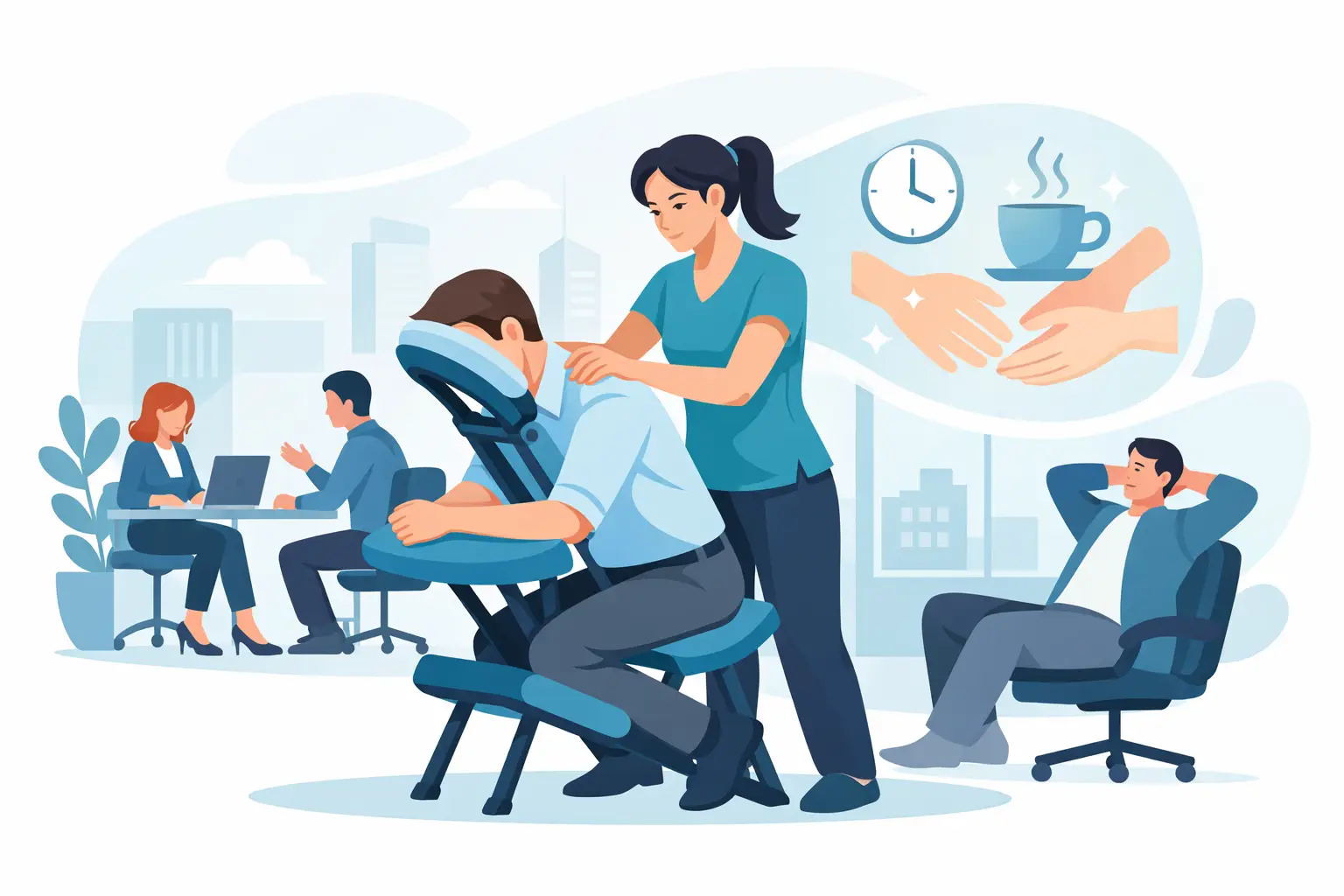
by | Jun 23, 2026 | Uncategorized
A team that has spent all week in back-to-back meetings does not usually need another wellbeing email. It needs something practical, easy to access and worth stepping away from the desk for. That is where the question what is on-site chair massage becomes relevant for...
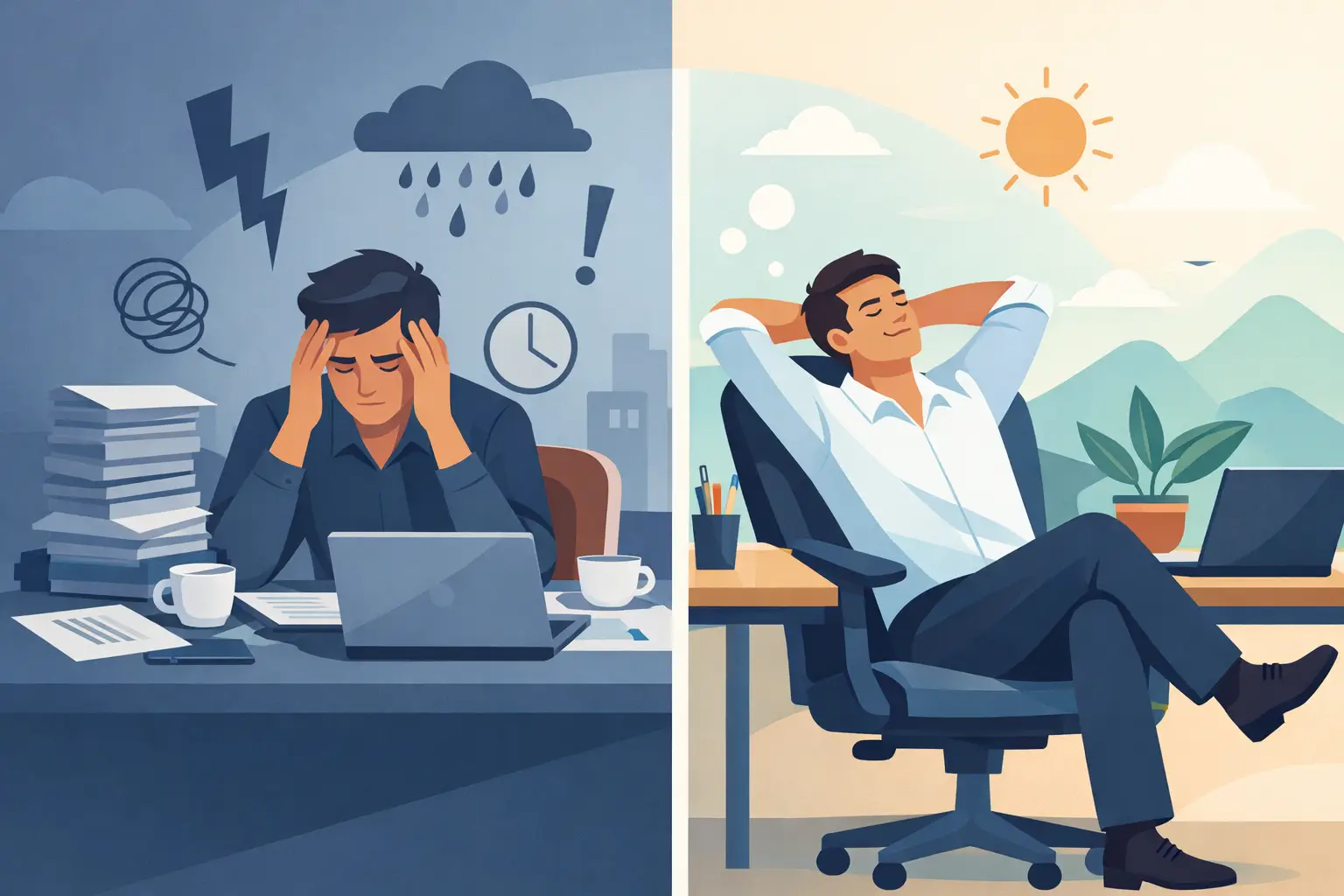
by | Jun 21, 2026 | Uncategorized
When good people start missing deadlines they would normally handle with ease, snapping in meetings, or quietly withdrawing from team life, stress is already affecting performance. For employers asking how to reduce workplace stress, the real issue is not whether...
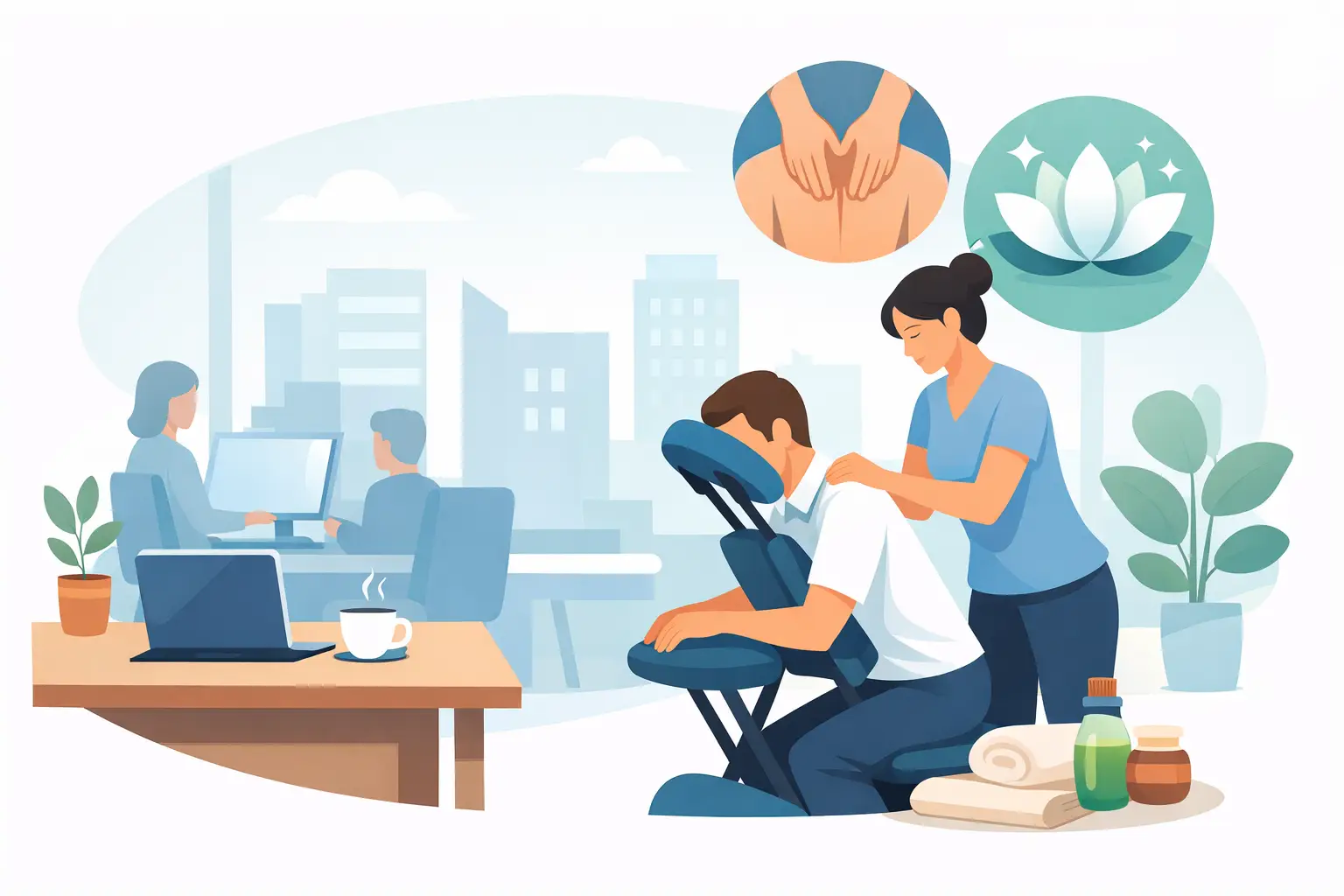
by | Jun 19, 2026 | Uncategorized
When a team is flagging at 3pm, shoulders are tight, diaries are full and stress is quietly affecting output, employers usually have two choices. They can treat wellbeing as a once-a-year gesture, or they can put in place support that people actually use. This guide...
by | Jun 17, 2026 | Uncategorized
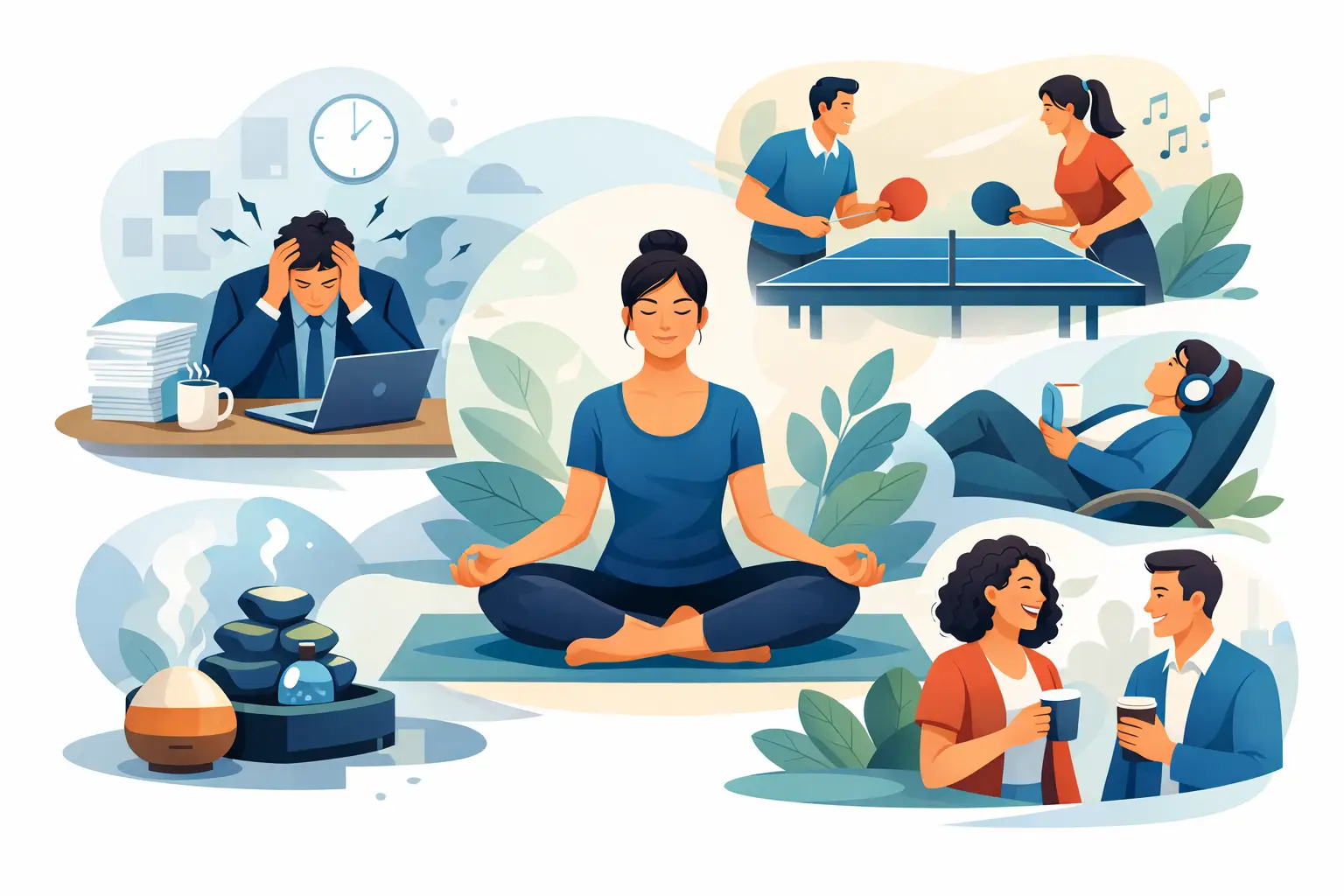
At 3pm, stress tends to show up in the same way in most offices – shorter tempers, slower thinking, more mistakes, and a team running on caffeine rather than focus. That is why the best workplace stress relief ideas are not simply nice extras. They are practical...